
Trash Chute Cleaning in Denver for Condos, Apartments and HOAs
Wash On Wheels cleans trash chutes in Denver apartment and condo buildings, including towers over 30 stories. We work for property managers and HOA boards whose residents are complaining about the smell coming from the chute. Most chutes need cleaning every one to two years. We have been pressure washing in the Denver area since 1985.
Since 1985

BBB A+
PWNA Member

CAI Member
Quality Guaranteed
Fully Insured
Why Denver Buildings Schedule Trash Chute Cleaning
Residents drop bags of food, kitty litter and diapers down the chute every day, and those bags leak on the way down. However the chute was designed, sticky residue sticks to its walls. After a few years of buildup, the whole building starts to smell.
Odor That Gets Worse on Warm Days
The smell usually shows up on warm days first and grows stronger as residue builds. One bag of rotting food or cat litter that hits the chute walls can leave a stench that sticks around for weeks. Washing out the residue removes the source.
Cockroaches, Flies and Rodents
Trash chutes and trash rooms collect the food residue and moisture that pests feed on. Rats and mice can nest in the block walls around a chute several floors up, then come down at night to feed near the compactor. Cleaning the chute removes that residue.
Denver adds regulatory pressure. The city’s Residential Rental Program inspection checklist requires rental properties to be free of pest infestation, and Colorado’s habitability law expects common areas to be kept free of garbage buildup and vermin. A trash chute collects garbage from every floor of the building, so pests that settle in the chute can spread to the hallways, trash room and units. Keeping the chute clean takes away a food source that can turn into an infestation the inspector writes up.
Fire Risk
Trash residue and stray debris collect inside a vertical shaft that runs the height of the building. A lit cigarette or cigar dropped down a chute can start a fire. Grease buildup can also stop intake doors (the hatches on each floor where residents drop their bags) from closing the way the fire code requires.
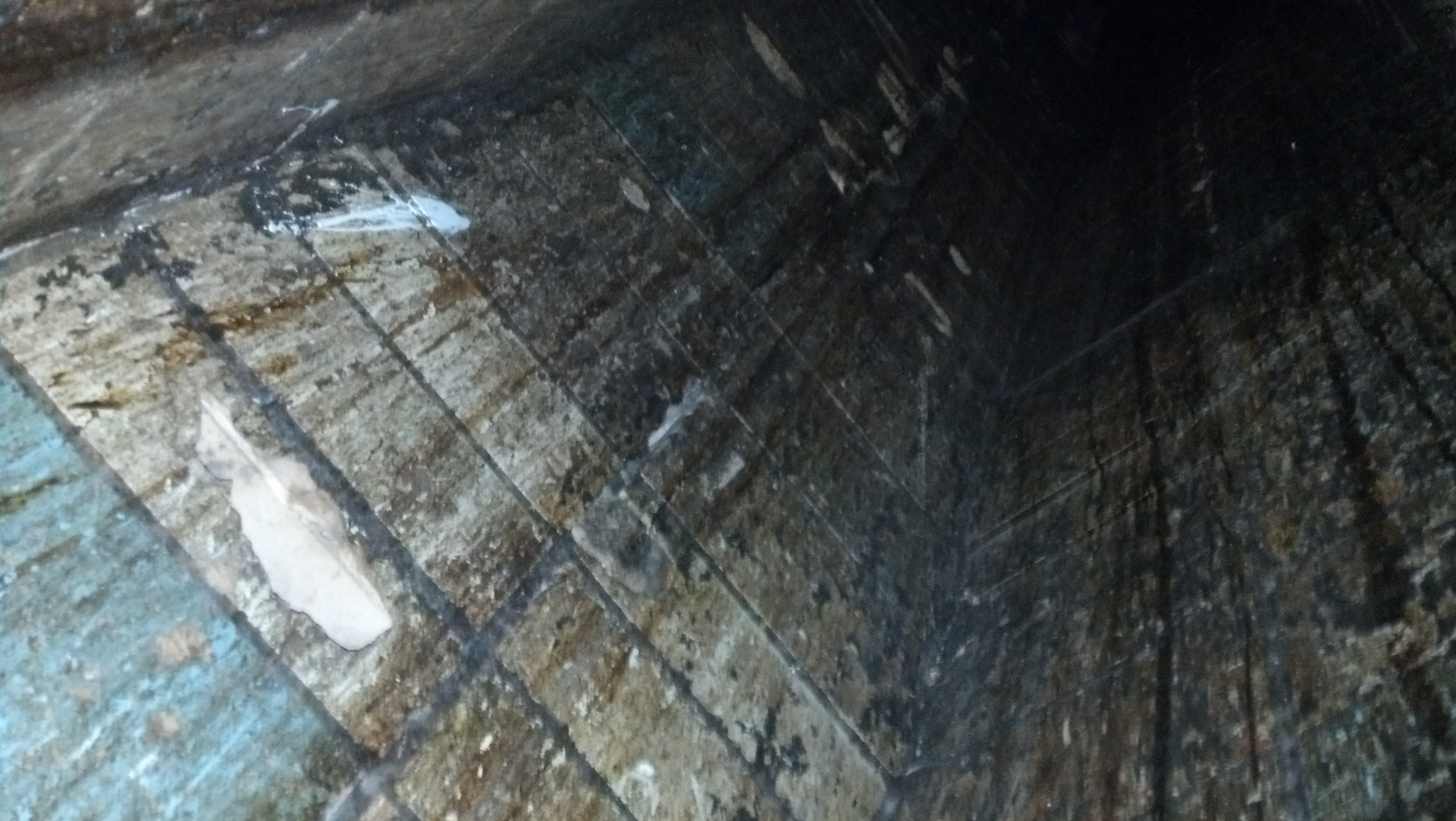
Before cleaning
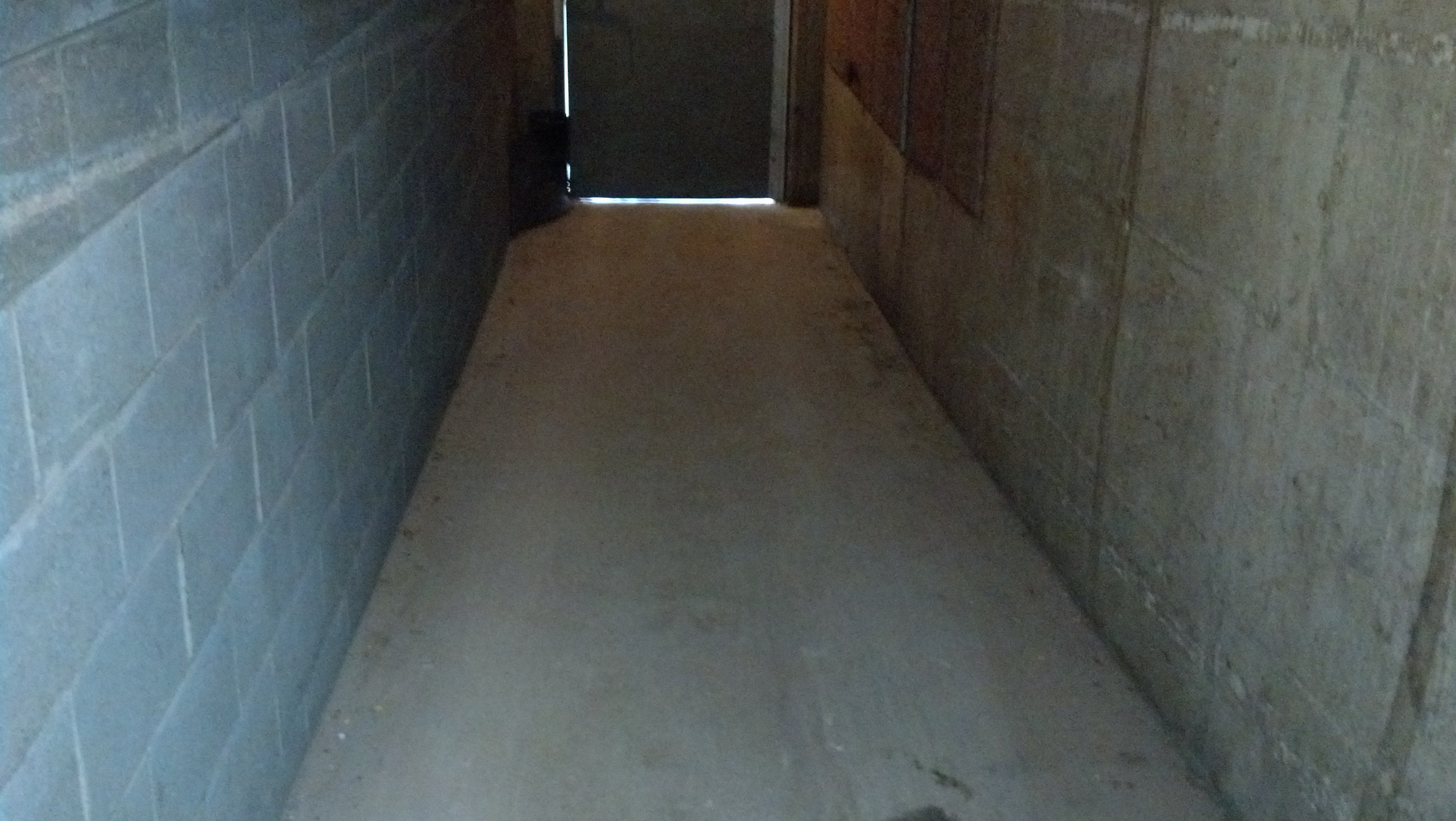
After cleaning
How Our Trash Chute Cleaning Works
We quote in person
We look at the building first, including roof access and the trash room at the bottom of the chute, and plan around anything that could go wrong. The price we quote is the price you pay.
We wash from the roof down
Most trash chutes have a vent on the roof. When we can open it, we lower our hose down the chute and wash with hot, soapy water, using soaps and degreasers we developed ourselves. One application won’t remove years of buildup, so we soap and rinse in several passes.
We work floor by floor when the roof is closed
Some buildings lack a flat roof, or the vent is secured so we can’t open it. In those buildings our crew works floor by floor through the access doors, which takes more people and more time.
We keep the pressure in check
Chute access doors aren’t built to hold back high-pressure water, so we control pressure and volume to keep the water inside the chute.
We scrape the bottom by hand
Bags hit and break in the bottom 5 to 10 feet of the chute before dropping into the dumpster or compactor. That section carries the heaviest buildup, so our crew scrapes it before washing.
We control the water in the trash room
A chute wash sends a few hundred gallons of hot, soapy water to the bottom. We make sure the trash room can handle that flow so the water stays in the room.
Most chutes take a few hours. If we miss a spot, we come back and fix it at no additional charge.
Experience With Denver High-Rises
Denver has more than 300 high-rise buildings, and a taller chute takes more planning. We have experience cleaning trash chutes in buildings over 30 stories and know what goes into these types of projects.
One such job was a 32-story residential building in downtown Denver. This required a hose pulley mounted on the roof and a special-order 500-foot one-piece hose, so no fittings could come apart mid-wash. We also tapped the building’s boiler for hot water. A five-person crew finished in one day to keep the disruption for residents short. See the process of cleaning a 32-story trash chute.
When you choose Wash on Wheels for your trash chute cleaning needs, you get a team who will work efficiently and cut no corners in the process.
How Often to Clean a Trash Chute
Most trash chutes should be cleaned once every one to two years. Where your building falls in that range depends on how many residents use the chute and how well they bag their trash. Some buildings need it sooner, because loose rotting food and other debris can leave a smell that lingers for weeks.
Codes don’t set a cleaning interval, so add the next cleaning to your maintenance calendar before odor complaints start.
Who We Work With
Property Management Companies
We do a lot of work for large property managers across the Denver Metro. If you’re a building manager in the area, you can have peace of mind adding us to your vendor list knowing we’re insured and hold a strong reputation with decades of projects behind us.
HOA and Condo Boards
We are members of CAI (Community Associations Institute), the national organization for HOA boards and community managers. We’re a trusted resource for HOA managers in Denver and across Colorado.
Apartment Communities
When tenants start complaining about the smell from the chute, it is time for a cleaning. Give us a call today to get a pressure washing quote for your trash chute.
Why Property Managers Hire Wash On Wheels
Pressure washing in Denver since 1985.
Fully insured. We carry a full range of insurance coverage, at the levels large property managers require.
Credentialed. We hold a BBB A+ rating and are members of PWNA (Power Washers of North America) and CAI.
Guaranteed work. If something isn’t right, we go back and fix it at no additional charge.
Our own chemistry. We developed our own soaps and degreasers and buy them in 55-gallon drums, not 5-gallon cans.
Trusted by public clients. Our clients include the City of Longmont and the Denver Police Department.
Colorado doesn’t require a license to pressure wash, so anyone can buy a machine at a big box store and call themselves a pressure washing business. Before you hire anyone for chute work, ask what insurance they carry and the tallest chute they have cleaned.
Trash Chute Cleaning FAQs
How often should a trash chute be cleaned?
Once every one to two years for most buildings. Chutes with heavy use need cleaning more often.
Does the fire code require trash chute cleaning?
No code we have found sets a cleaning schedule. Codes do require self-closing intake doors and chute sprinklers. NFPA 82 calls for an annual inspection of the chute and its doors, with written records. Grease buildup can keep doors and fusible links from working the way that inspection expects, so cleaning is still key.
How do you clean a trash chute?
When the roof vent is accessible, we lower a hose down the chute and wash with hot, soapy water in several passes. We hand-scrape the bottom 5 to 10 feet, where bags break. Without roof access, we work floor by floor through the access doors.
How much does trash chute cleaning cost?
Price depends on the building’s height, the number of chutes, roof access and how much buildup is inside. Quotes are free, we give them after seeing the building, and the price we quote is the price you pay.
How long does it take?
Most chutes take a few hours. 30+ story high-rises can take a full work day.
Other Commercial Services We Offer
Get Your Building’s Chute Cleaned
Don’t wait to get your building’s trash chute cleaned. Count on the Wash On Wheels team, which has been cleaning Denver trash chutes for decades across Denver and the Front Range. Call (303) 937-7181 or request a free quote today.
Serving the Denver and Boulder Metro
Denver · Aurora · Lakewood · Littleton · Centennial · Englewood · Highlands Ranch · Arvada · Westminster · Northglenn · Broomfield · Longmont · Boulder · Golden · Wheat Ridge · Commerce City · Parker · Lone Tree · Castle Rock · Evergreen · Morrison
